

This process eliminates the need for plate making, exposure, and repetitive color registration steps, as well as the various tools and materials required for traditional screen printing or thermal transfer methods. Utilizing a universal printer requires only a standard computer. A single operator can manage the entire printing process independently, saving on labor and resources; the method is simple, offers immediate results, and requires minimal operator experience-basic knowledge of image processing software is sufficient.
Preventing Damage
It is capable of printing on both hard materials-such as crystal, stone, metal, and glass-and soft materials like leather, fabric, and cotton. It works on inorganic substances as well as complex, diverse organic materials. Offering superior material compatibility, the Chunzhihui digital direct-to-substrate printer avoids the material limitations associated with screen printing and water transfer printing, while also preventing the damage to organic materials (such as leather and cotton) often caused by thermal transfer processes. It meets diverse market demands, enabling the provision of more comprehensive production services to users.
Preventing Misalignment
The universal printer moves beyond traditional printing models and manual craftsmanship, integrating high-tech computer synthesis and automated control technologies. It allows for precise alignment with the target printing area, eliminating the positional misalignment issues common in manual printing. As it performs multi-color printing in a single pass, there are no issues with color registration. These advantages can also be effectively combined with engraving and etching processes-such as printing beautiful images onto engraved areas or performing precise etching after printing-enabling significant breakthroughs within the engraving industry.
Advantages of Thermal Transfer Machines
Popular Products
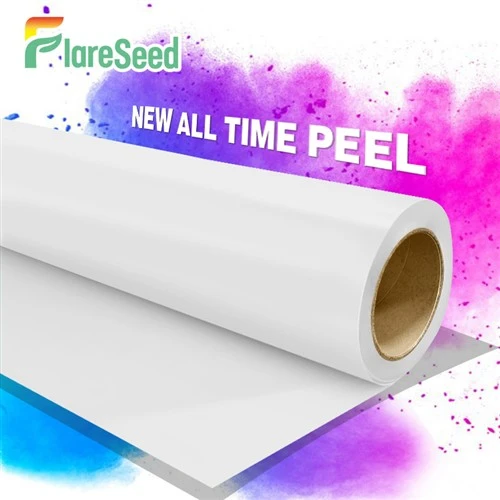
DTF Transfer Paper
Dtf Transfer Paper is a PET-base consumable dedicated to digital textile heat transfer. Processed with composite...

Pet Printing Film
Dtf Pet Film 60Cm is 60
centimeter wide roll
type PET material designed for wide
format DTF printing. Treated with...

High Quality DTF Powder
DTF Powder is TPU
based hot
melt adhesive powder, an essential consumable for DTF printing. It sticks to wet ink on...

DTF Pigment Ink
DTF Ink DTF ink is specially developed waterbased pigment ink dedicated for PET film heat transfer inkjet printing....

DTF Commercial Printer
FS-604 60cm DTF Printer equipped with 4 pieces Epson i3200-A1 printheads, printing speed up to 18㎡/h. This direct to...

UV DTF Printer Machine
FlareSeed FS-302 UV DTF printer is a compact 300mm width UV direct to film printing machine, also known as UV...