

Printing inks have a wide range of applications; the choice of ink depends primarily on the substrate, operating environment, printing speed, and regulatory requirements. In industrial printing, solid ink-a wax-based ink that melts at high temperatures and solidifies upon cooling-is particularly suitable for both porous and non-porous substrates; these inks are environmentally friendly and safe for human health due to their low Volatile Organic Compound (VOC) content. UV-curable inks cure rapidly into a film when exposed to ultraviolet light, offering heat, chemical, and water resistance. Oil-based inks are designed for non-absorbent materials such as glass, plastic, metal, and glossy paper, producing vibrant, light-fast, and water-resistant images, though they have higher VOC content. Solvent-based inks dry quickly and are suitable for non-porous materials like metal, glass, and plastic; they form durable images through solvent evaporation but also contain high levels of VOCs. Water-based inks are ideal for printing on porous materials such as paper, cardboard, and textiles, releasing virtually no VOCs. Dye-based inks are known for their vibrant colors and have minimal impact on nozzles and printheads. Pigment-based inks offer superior lightfastness, moisture resistance, and outdoor stability. Ceramic inkjet printing inks are widely used in fields such as electronic label printing, capacitors, and displays. Eco-friendly water-based ceramic inks represent the future trend in ceramic ink development.
Popular Products
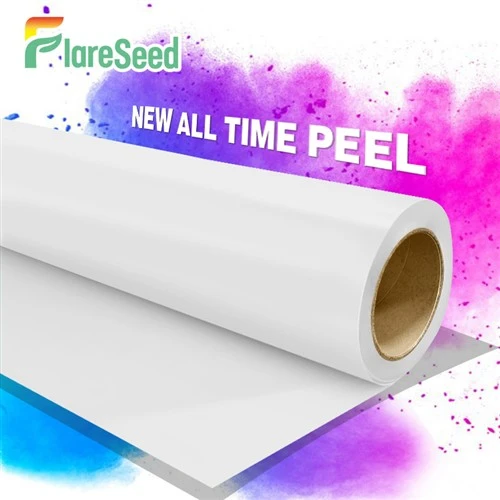
DTF Transfer Paper
Dtf Transfer Paper is a PET-base consumable dedicated to digital textile heat transfer. Processed with composite...

Pet Printing Film
Dtf Pet Film 60Cm is 60
centimeter wide roll
type PET material designed for wide
format DTF printing. Treated with...

High Quality DTF Powder
DTF Powder is TPU
based hot
melt adhesive powder, an essential consumable for DTF printing. It sticks to wet ink on...

DTF Pigment Ink
DTF Ink DTF ink is specially developed waterbased pigment ink dedicated for PET film heat transfer inkjet printing....

DTF Commercial Printer
FS-604 60cm DTF Printer equipped with 4 pieces Epson i3200-A1 printheads, printing speed up to 18㎡/h. This direct to...

UV DTF Printer Machine
FlareSeed FS-302 UV DTF printer is a compact 300mm width UV direct to film printing machine, also known as UV...